
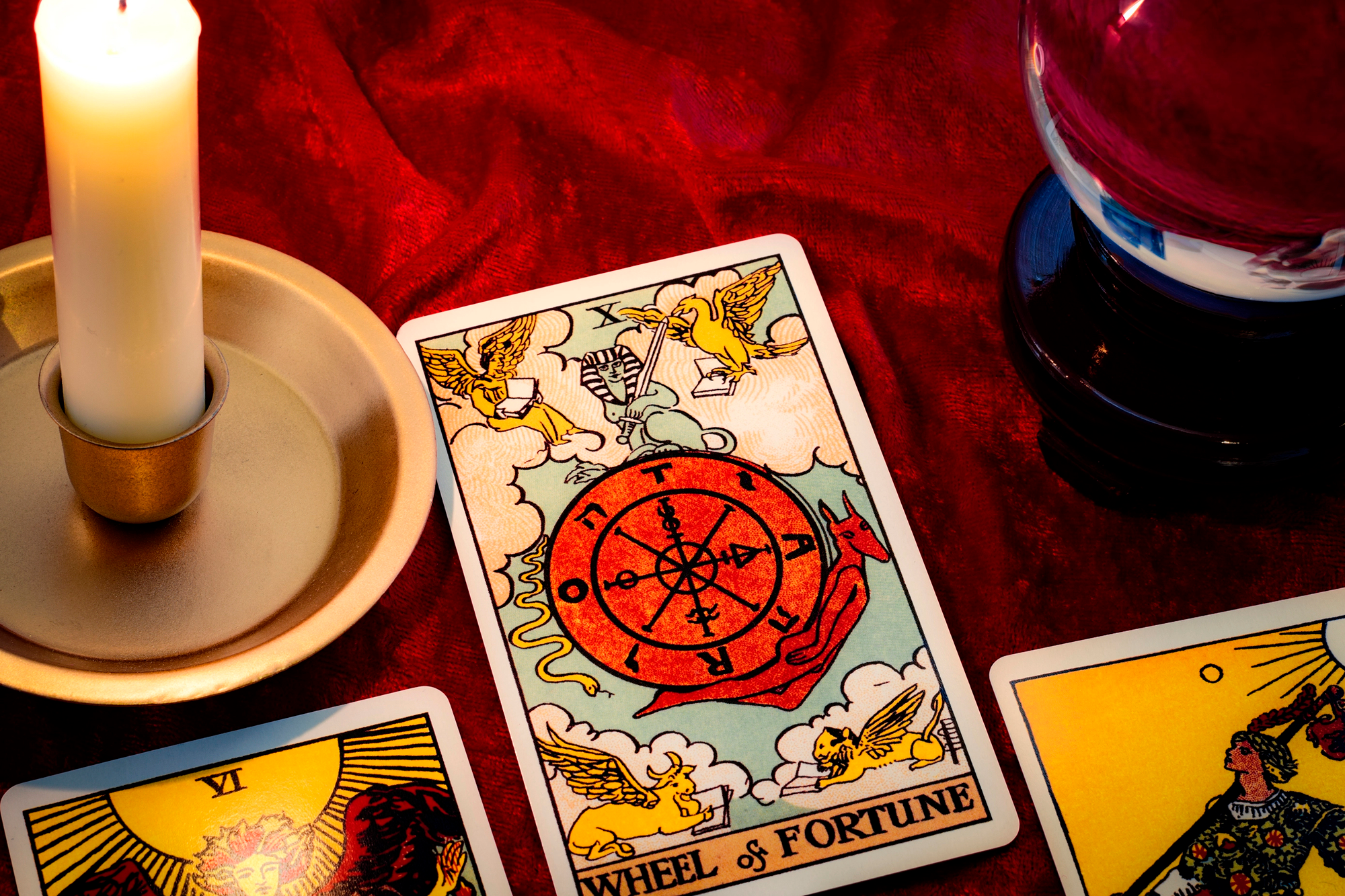
Yes. You absolutely can read tarot for yourself.
Somewhere along the way, a rumor got started that reading for yourself doesn’t “work,” or that you’ll only see what you want to see, or that tarot is meant to be done by someone else for you. None of that is true.
Most serious tarot practitioners read for themselves regularly. Daily card pulls, self-check-ins, journaling with the cards — these are all deeply personal practices that work precisely because you’re doing them for yourself.
That said, there is one real thing to watch out for, and ignoring it is where self-readings go wrong.
The one actual caveat: emotional attachment
When you’re reading about something you really care about — a relationship, a job you want, a situation where you have a strong stake in the outcome — your interpretation is going to be colored by what you want the cards to mean.
This isn’t a character flaw. It’s just how humans work. You pull The Lovers when you’re wondering about your ex and your brain finds a way to make it mean yes, come back, this is meant to be — even if pulled in a different context it would simply mean a meaningful choice or a values alignment.
The fix isn’t to stop reading for yourself. It’s to be honest with yourself about when you’re reaching for a meaning that feels better.
A few things that help:
Read the card before you apply it to your situation. Before you interpret the card in the context of your question, describe what’s literally happening in the image. This creates a small buffer between “what does this card mean” and “what do I want this to mean.”
Ask a harder follow-up question. If the first card seems too positive, pull a second: “What am I not seeing?” or “What’s the challenge here?” It forces the reading to be more honest.
Write it down. Something about putting your interpretation in writing — before you’ve convinced yourself it means something else — keeps you accountable to what you actually drew.
What self-readings are great for
Honestly, some readings are better when done by yourself. The daily one-card draw, shadow work spreads, any kind of journaling practice — these work because they’re intimate and private.
Self-readings are also excellent for:
Processing a decision. You already know the options. The spread gives you a structure to lay out what you’re weighing and see it differently. It doesn’t tell you what to do — it reflects things you know but haven’t fully looked at.
Checking in on your emotional state. You know yourself better than any reader could. A few cards can surface feelings you’ve been avoiding or give language to something vague you’ve been sitting with.
Developing your intuition. Reading for yourself constantly means you get constant feedback. Did that card really show up in your day? Was your interpretation yesterday accurate? You can’t get that feedback when someone else reads for you.
When to see someone else instead
There are times when getting a reading from another person — a friend, a professional reader — genuinely helps. Not because your self-reading is “invalid,” but because:
You’re too close to a situation to see it clearly, even with the safeguards above. An outside reader has no stake in the outcome and won’t unconsciously steer the interpretation.
You want validation or a second perspective. That’s a legitimate reason to seek a reading from someone else.
You’re in a really dark emotional place. Not impossible to read for yourself, but you might find that sitting with a trusted person and their interpretation is more grounding than sitting alone.
The short answer
Read for yourself. Most of the time it works well. Stay honest about when emotional attachment is bending your interpretation. And practice the daily draw — the more you do it, the clearer your self-readings become over time.
Ready to start? Here’s how to do a daily one-card draw → It’s the best first habit for any beginner.
FAQ
Can you read tarot cards for yourself or does someone else have to do it? You can absolutely read tarot for yourself — in fact, most regular practitioners do this daily. The idea that you need someone else to read for you is a misconception. Self-readings are valid, useful, and in some ways more intimate than readings done by others.
Is it accurate to read tarot for yourself? Yes, with one caveat: when you’re emotionally invested in a specific outcome, it’s easy to unconsciously steer your interpretation toward what you want to hear. Being aware of this bias — and using tools like writing down interpretations before analyzing them — keeps self-readings honest.
What are the best tarot spreads for reading for yourself? The daily one-card draw is the most accessible starting point. The three-card spread (past/present/future, or situation/action/outcome) is great for specific questions. Larger spreads like the Celtic Cross are useful for complex situations once you’re more comfortable with the cards.
Should I avoid reading tarot for myself about certain topics? Be extra careful — not avoidant — around topics you’re very emotionally attached to. Relationship questions, major life decisions, situations where you have a strong desired outcome: all of these are fine to read for yourself, just know that you’ll need to be more honest about your interpretation.
Is it bad luck to read tarot for yourself? No. This is a myth. There’s no basis for the idea that self-readings bring bad luck or don’t work. Plenty of experienced readers read for themselves regularly without issue.