
There’s a particular kind of waiting that happens after a job interview or application — where you’ve done everything you can do and now it’s just silence. It’s uncomfortable, and it makes perfect sense that you’d want to reach for any tool that gives you a feeling of clarity.
Tarot can help with this. Not by tapping into the hiring manager’s decision, but by reflecting the current energy around the opportunity — what you’re bringing, what the situation holds, what’s working in your favor and what isn’t.
Here’s how to approach it honestly.
What tarot can and can’t tell you
Tarot reflects energy — the current state of a situation and its probable trajectory. What it can’t do is override free will or give you a live feed of someone else’s deliberations.
What you’ll get from a “will I get the job” reading is more like: the energy here looks promising, or something in this situation is still unclear, or your energy around this particular role is complicated. That’s genuinely useful information, especially when you’re in a waiting period and your anxiety is filling in the blanks.
Cards that tend to say yes, this is looking good
The Sun — Probably the strongest positive card in the deck. In a job reading, The Sun suggests a bright, clear, favorable outcome. Confidence, visibility, success.
The Star — Hope justified. Things are aligning; the wait is worth it; this opportunity has good energy around it.
Ace of Pentacles — A new material beginning. In a job context, this card often literally represents a new offer or opportunity arriving.
Six of Wands — Recognition, victory, a positive outcome that others acknowledge. Strong “you got it” energy.
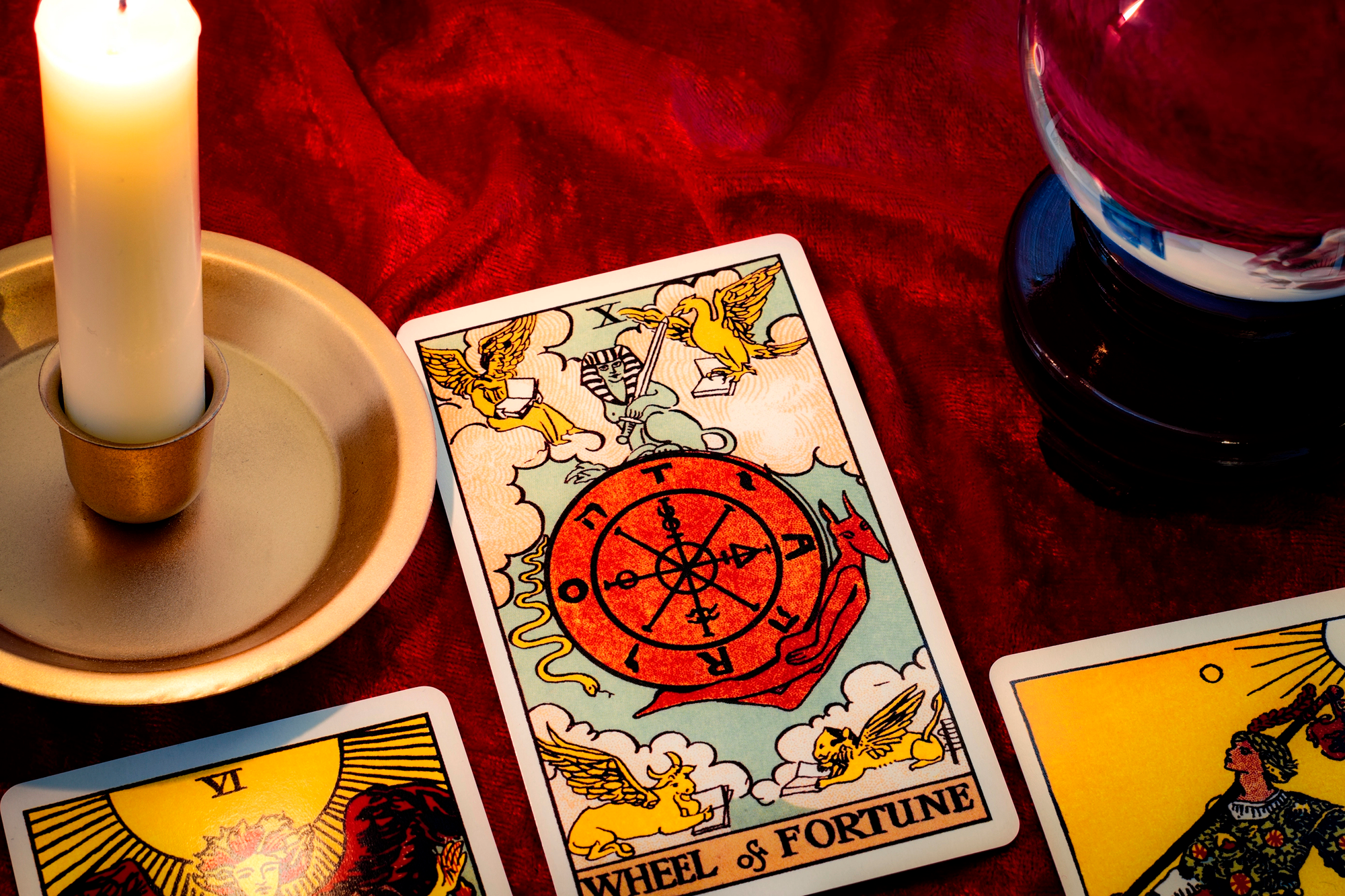
Wheel of Fortune — Timing is turning in your favor. A shift is happening. This card in a job reading often means the decision is already moving positively.
The World — Completion, achievement, a cycle coming together. Suggests the role is within reach.
Three of Pentacles — Collaboration, teamwork, your skills being recognized. Particularly good for roles that involve working with others.
Ace of Wands — A new opportunity igniting. Good energy around a fresh start.
Cards that suggest patience, uncertainty, or complications
The Hanged Man — A pause. A delay. Things are in a holding pattern — not necessarily bad, but not moving right now. This doesn’t mean you won’t get it; it means expect to wait.
The Moon — Things aren’t clear yet. Something about the situation is unclear, hidden, or unresolved — possibly on their end, possibly something you haven’t fully acknowledged about your own feelings about the role.
Seven of Cups — Confusion, multiple options, lack of clarity. Either you’re unclear about what you actually want, or the situation itself has multiple competing factors still being weighed.
Two of Swords — A decision is stalled. Someone isn’t ready to commit yet. Could indicate they’re weighing you against another candidate.
Five of Pentacles — A harder energy around material matters. Could suggest the role has financial complications, or the interview left you feeling uncertain and that energy is still present.
Eight of Swords — A feeling of restriction or limitation. Might reflect anxiety more than the actual situation — or might indicate there’s something constraining the opportunity.
Cards that more clearly suggest no, or not this one
Ten of Swords — A definitive ending. If this is the energy around the job, it may not work out — but remember, every ending creates space for something else.
Eight of Cups — Walking away from something. Either you’re unconsciously moving away from this role, or the energy suggests it isn’t the right fit and things will naturally resolve that way.
The Tower — Sudden disruption. The situation may change significantly — which could go either way, but suggests instability in the opportunity itself.
Death (as transition, not danger) — A significant change is happening. This doesn’t always mean “no,” but something about this opportunity, this chapter, or your approach to it is ending or transforming.
A better way to use tarot for job questions
Instead of asking “will I get this specific job,” try:
- “What do I need to focus on to move my career forward right now?”
- “What’s the energy around this particular opportunity?”
- “What am I not seeing clearly about this role or this interview?”
- “What’s the most aligned next step in my career?”
Open questions give you something to do with the information. A yes/no question gives you something to fixate on.
The spread to use
If you want a more structured reading, use the Career Decision Spread (6 cards) or pull three cards:
- The current energy around the opportunity
- What’s working in my favor
- What to focus on regardless of the outcome
That last card is the most important. Because whether you get this job or not, there’s always something worth doing next.
FAQ
Can tarot tell me if I passed a job interview? Not with certainty — but it can reflect the current energy and trajectory of the situation. Cards like the Sun, Ace of Pentacles, or Six of Wands are genuinely promising signs. The Moon or Two of Swords suggest more uncertainty or delay.
What if I pull The Tower for a job reading? Don’t panic. The Tower often represents sudden disruption, which in a job context could mean: the company is going through changes, the role might be restructured, or the opportunity isn’t as stable as it appears. It’s worth staying alert, but it’s not a definitive no.
Should I do a tarot reading before or after an interview? Before can help you center yourself and identify what you want to communicate or how to approach it. After is more appropriate if you want to read the energy of the outcome. Both are valid uses.
How accurate is tarot for career questions? Tarot is most accurate as a reflective tool — it shows what’s energetically present, not what’s fated. Readers who approach it that way tend to find it genuinely useful. Readers who expect precise predictions often find it frustrating.
What deck is best for job and career tarot readings? Any deck works. Some readers prefer earth-element-heavy decks for career questions (Pentacles suit), but this is personal preference. The Rider-Waite-Smith is always a solid choice for beginners because the imagery is clear and well-documented.